Blog

  • Why Printing Your Photos Will Make You a Better Photographer in 2026

    Why Printing Your Photos Will Make You a Better Photographer in 2026

    The Forgotten Final Step

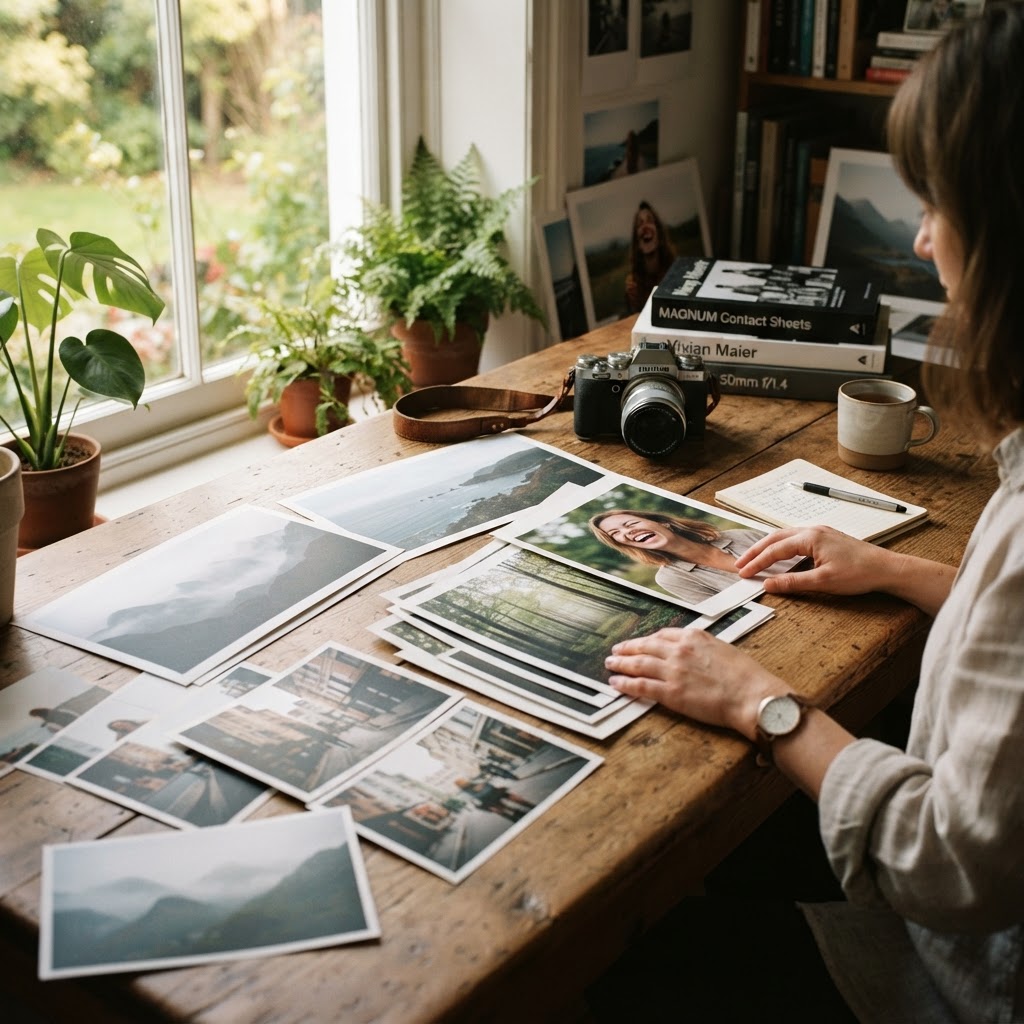
    In an age where thousands of images live and die on our phones, hard drives, and cloud storage, there’s a quiet revolution happening in photography. More photographers are rediscovering something their predecessors always knew: a photograph isn’t truly finished until it’s printed. This isn’t nostalgia — it’s a deliberate practice that can transform how you see, shoot, and select your work.

    Let’s talk about why printing your photos might be the single most impactful habit you adopt this year.

    Printing Forces You to Choose

    When you take 500 shots in a session, the luxury of digital storage makes it easy to keep them all. But printing demands something different: commitment. You have to look at your work critically and ask, Which of these images deserves to exist in the physical world?

    That question alone will change your photography. After a few months of selecting prints, you’ll start noticing patterns. You’ll realize which images have depth, which ones tell a story, and which ones are just technically competent but emotionally flat. You’ll begin shooting with the print in mind — thinking about composition, light, and moment in a more intentional way.

    The Two Types of Prints That Matter

    Not all prints serve the same purpose. Once you start printing regularly, you’ll discover there are two distinct categories, and each teaches you something different:

    Your Best Work: The Portfolio Prints

    These are the 1-3 images from a shoot that represent your absolute best. The ones with depth, story, and beauty. The kind of image that would look stunning framed on any wall. These prints teach you about craft — about what makes an image technically and artistically excellent.

    The Unscripted Moments: The Memory Prints

    These are the candid shots of family and friends. The ones where lighting doesn’t matter, composition is imperfect, and the moment is everything. These prints teach you something equally important: that the emotional weight of an image can outweigh any technical flaw. They remind us why we picked up a camera in the first place.

    What Printing Teaches You About Depth

    When you print an image, it demands to hold attention. A photo that looks fine on a 6-inch screen can feel hollow when blown up to 16×20. You start to notice whether your image has layers — a foreground, a middle ground, a background that pulls the viewer in. Depth isn’t just about aperture; it’s about visual storytelling.

    This awareness bleeds into every shoot. You’ll find yourself positioning subjects with more care, choosing backgrounds that add rather than distract, and waiting for that moment when all the elements align.

    How to Start Your Printing Practice

    You don’t need a professional printing lab or an expensive setup to begin. Here’s a simple framework:

    1. After each shoot, select 1-3 of your strongest compositions. Resist the urge to print more — the constraint is the point.
    2. At the end of each month, choose up to a dozen of your favorite unscripted, candid moments with family and friends.
    3. Print them. Use your home printer and photo paper, an Instax printer, a Canon Selphy, or send them to a lab. The method doesn’t matter. The act does.
    4. After a few months, look at your prints together. What patterns emerge? What do you keep coming back to? What have you stopped shooting?

    The Screen vs. The Print: Why It Matters

    On a screen, every photo competes for a fraction of a second of attention before the next scroll. A print commands the opposite: it invites you to linger. It exists in physical space, changes with the light in the room, and becomes part of your environment in a way a digital file never can.

    This shift in how images are consumed changes how you create them. You start thinking about whether a photo rewards sustained attention or just a quick glance. You begin to value images that reveal more the longer you look.

    2026: The Year of Intentional Photography

    The broader photography trends for 2026 all point in the same direction: quieter, warmer, more intentional. AI-assisted editing is becoming the default, but photographers are pushing back with authentic, candid work. Cinematic styling is popular, but the most impactful images are the ones with genuine emotional depth.

    Printing sits perfectly at the intersection of these trends. It’s the ultimate act of intention — choosing one image, committing to it, and letting it exist beyond the scroll.

    Your Challenge This Week

    Go through your last photo session or your camera roll from the past month. Pick three images. Print them. Then put them somewhere you’ll see them every day — your desk, your fridge, a wall.

    Notice how your relationship with those images changes when they’re physical. Notice what you wish you’d done differently. Then pick up your camera and shoot again, carrying that awareness with you.

    That’s the practice. That’s how printing makes you better — not by improving your technique directly, but by changing how you see your own work.

    Further Reading & Resources

    • Mark G Adams at One Camera One Lens has a fantastic deep dive on this practice in his 2026 challenge series.
    • For gear recommendations, check out DPReview’s 2026 camera and lens buying guides.
    • Envato’s 2026 photography trends report covers the shift toward intentional, authentic imagery.
    • Expert Photography has a comprehensive collection of tutorials for photographers at every level.

    Now go print something. Your future self — and your photography — will thank you.
  • The Shot I Almost Missed on a Monday Morning

    Posted by LowKei Photography | lkshot.com

    I wasn’t supposed to be there.

    No client. No session. No alarm set with a purpose. Just one of those mornings where something pulls you outside before the rest of the world wakes up — and you’re smart enough not to argue with it.

    I grabbed my camera out of habit more than intention. Threw it in the passenger seat. Drove toward the water the way you drive somewhere you’ve been a hundred times — muscle memory, no map, no plan.

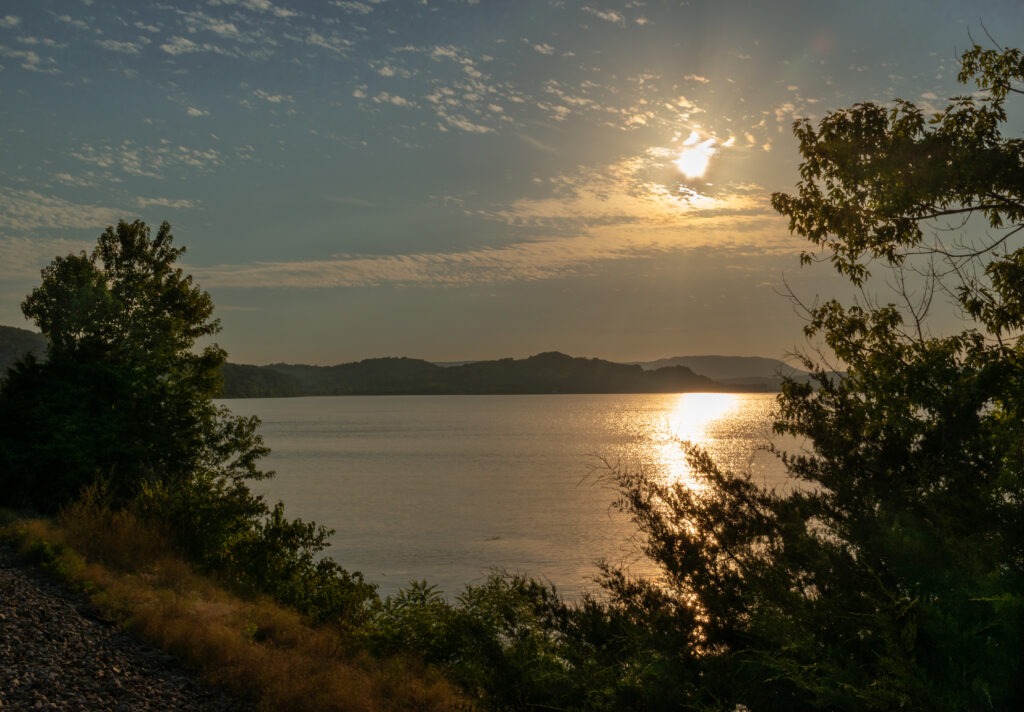
    And then the Tennessee River did that.

    What You’re Looking At

    If you’ve spent any time around Chattanooga, you know the river has moods. Some mornings she’s flat and silver and quiet. Some mornings she’s got a chop to her that catches the light in a way that makes you squint.

    But this morning? She was gold.

    The sun was still low, burning through a broken cloud layer — the kind of clouds that could’ve ruined everything but instead scattered the light in a way that felt almost deliberate. That path of reflection cutting straight across the water toward the camera. The ridgeline silhouetted in the haze across the far bank. The trees on both sides pulling the frame in like curtains on a stage.

    Nature composed this shot. I just showed up with a camera and tried not to get in the way.

    The Technical Stuff (For the Photographers)

    I know some of you want to know how — and I’m happy to talk about it.

    The challenge with a scene like this is dynamic range. You’ve got a sun that wants to blow out the entire frame, a water surface that’s reflecting that sun directly at you, and a foreground that’s sitting in relative shadow. Your camera’s sensor does not want to handle all three of those things at once.

    The key here is exposing for the highlights and letting the shadows fall where they fall. Don’t fight it. The silhouetted trees and dark foreground aren’t a problem — they’re part of the composition. They give the eye somewhere to rest before it travels to the light.

    I metered for the brightest part of the sky just off the sun itself, let the clouds define their own detail, and trusted that the water’s reflection would carry the mid-tones. A slightly longer focal length helped compress the depth just enough to bring that ridgeline closer to the water’s edge visually.

    The rest? That was the morning doing its job.

    The Real Lesson

    I’ve been doing this long enough to know that the shots people stop scrolling for — the ones that get saved and shared and stared at — are almost never the ones I planned the hardest.

    They’re the ones from the mornings I almost didn’t go. The moments I almost drove past. The light that showed up when I had zero expectations and a half-charged battery.

    The light doesn’t wait. It doesn’t check your calendar. It doesn’t care that you’re tired or that you had something else to do. It rises, it does something extraordinary for about eleven minutes, and then it’s gone — softening into ordinary daylight like nothing happened.

    The only variable is whether you’re there to see it.

    What This Means for Your Photography Session

    Here’s what I want you to take from this — even if you’ve never picked up a camera in your life:

    The same principle applies to every portrait session, every family shoot, every senior session I photograph. The clients who get the images that make them cry — who text me at 11pm saying “I can’t stop looking at these” — are almost never the ones who waited for the perfect moment.

    They’re the ones who showed up. In the middle of a busy season. Before everything was perfectly coordinated. Before the kids were perfectly cooperative. Before the light was guaranteed.

    They showed up, and the light met them there.

    That’s the thing about photography — and honestly, about life. You don’t find the perfect moment. You show up, and the moment finds you.

    Let’s Go Catch Your Light

    If you’ve been putting off a session — portraits, family, seniors, lifestyle, nature — I want to hear from you.

    Not because my calendar needs filling. Because the light is happening right now, outside your window, on ordinary Tuesday mornings and random Sunday afternoons, and I want to help you catch it before it’s gone.

    📷 See the full portfolio at [lkshot.com](https://lkshot.com) 📲 Follow along on Facebook: LowKei Photography 📍 Based in Chattanooga, TN — serving the surrounding region

    Reach out through the site or send a message on Facebook. Let’s talk about what you’re looking for. First conversation is always just a conversation.

    The Tennessee River will be back tomorrow morning. Will you?

    Tags: Chattanooga Photography · Landscape Photography · Tennessee River · Golden Hour · Nature Photography · Portrait Photographer Chattanooga · LowKei Photography · lkshot.com

    Want me to write a second blog post using the squirrel shot — or batch out a full week of content mixing both images across blog, Facebook, and even an email newsletter?

  • From Girl Scout to Prom Queen

    From Girl Scout to Prom Queen: Why Photographing Growth is the Greatest Gift

    There’s a photo I keep coming back to.

    A young girl, maybe 10 or 11, in a bright green Girl Scouts t-shirt. Hair a little damp, cheeks flushed, grinning the kind of grin that has zero self-consciousness in it — just pure, unfiltered joy. The kind of smile that doesn’t know yet that it’s being watched.

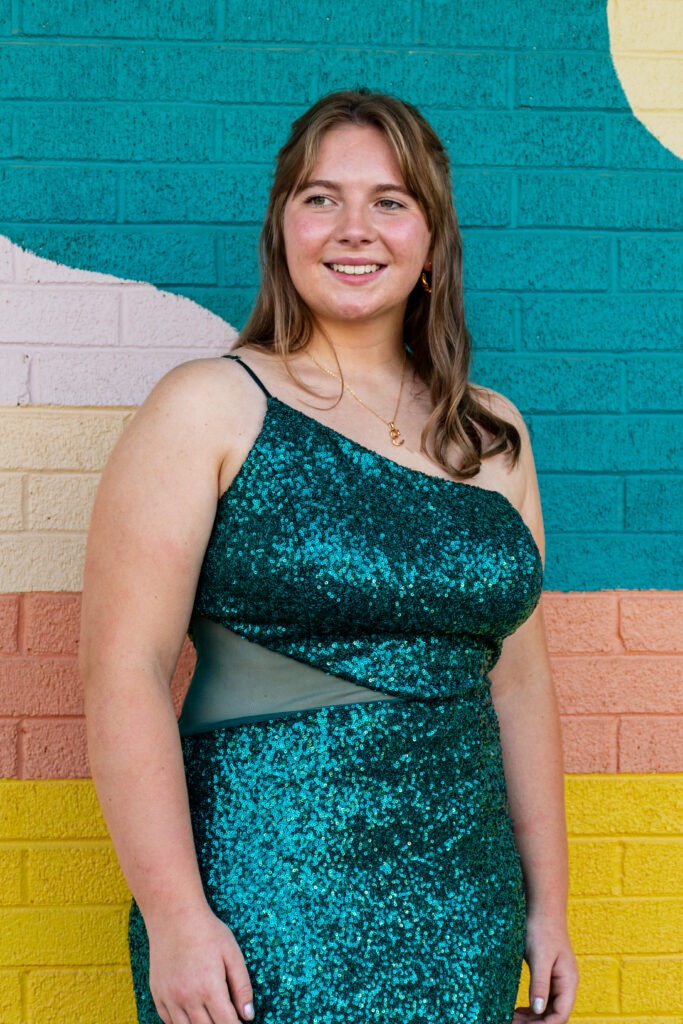
    Fast forward a few years. Same girl. Same smile — but now there’s something behind it. Confidence. Awareness. A young woman standing in front of a colorful mural wall, dressed for one of the biggest nights of her life, radiating a quiet kind of beauty that only comes from growing into yourself.

    Same person. Completely different chapter.

    This is why I do what I do.

    Photographs aren’t just pictures. They’re timestamps on a life.

    As a photographer, the technical stuff matters — the light, the composition, the moment. But what I’m really chasing every single time I pick up a camera is something you can’t dial in on a lens. It’s that fraction of a second where someone is completely, authentically themselves. Where the noise drops away and what’s left is just… them.

    That Girl Scout photo wasn’t taken in a studio with perfect lighting. It was taken outside, at dusk, on a regular evening. But that smile? That’s a document. That’s proof that she existed exactly like that, at exactly that age, in exactly that moment — and now that moment lives forever.

    And the prom photo? That’s a different kind of document. That’s her saying look how far I’ve come without saying a single word.

    This is what families lose when they don’t have a photographer.

    I know what you’re thinking — my phone takes great photos. And it does. Phone cameras are incredible. But there’s a difference between a snapshot and a portrait. A snapshot captures what’s in front of the lens. A portrait captures who is in front of the lens.

    Years from now, when this young woman has kids of her own, she’s going to show them these photos. And those kids are going to see not just their mom — they’re going to see the full arc of who she became. The girl who was going to make a world of difference, and the young woman who was already doing it.

    Don’t let the chapters go undocumented.

    Kids grow up faster than anyone ever warns you about. One day it’s Girl Scout camp. The next it’s prom. Then graduation. Then gone — off building their own lives.

    At LowKei Photography, we specialize in capturing exactly these moments — the ones that feel ordinary right now but become priceless with time. Portraits, milestones, senior sessions, family shoots — all shot with the care and intention these moments deserve.

    📸 See the full portfolio and book your session at [lkshot.com](https://lkshot.com)

    Because the moments are happening whether or not someone’s capturing them. Make sure yours are.

  • The Beauty Of A Sunset

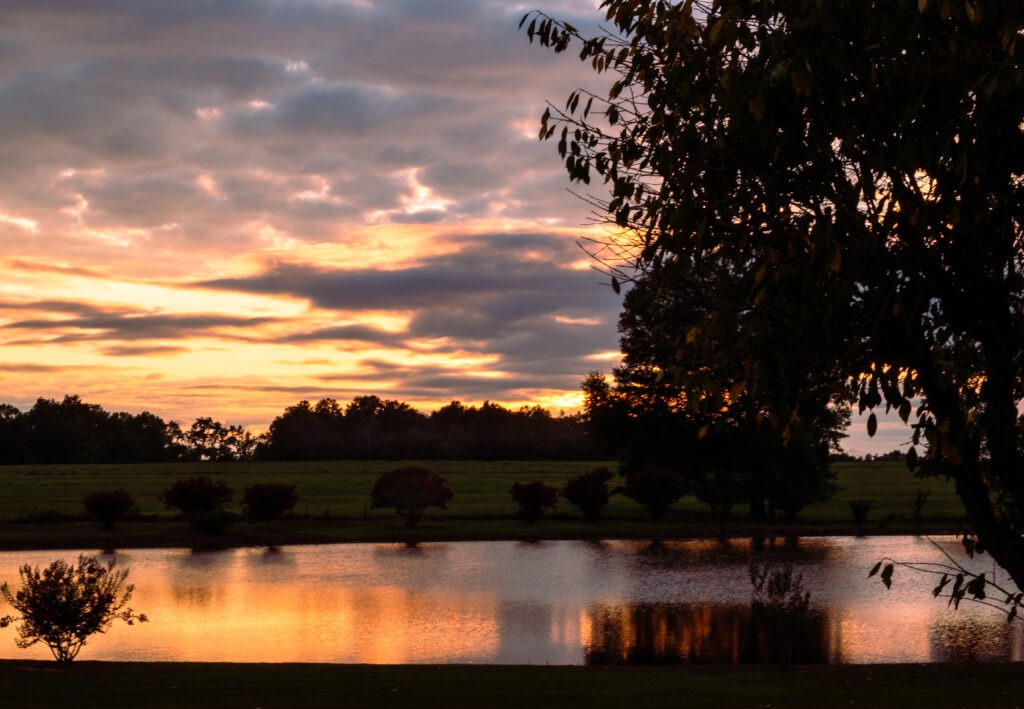
    Sometimes you just need to stop and watch the world turn gold. 🌅 There’s something so grounding about a quiet landscape and a perfect sunset. It’s a gentle reminder that every day has a beautiful ending if you’re looking for it. 🌾✨

    Be our ray of sunshine against the growing darkness.

  • Investing in the Craft

    At LowKei Photography, my philosophy has always been quality over quantity. I believe in capturing authentic moments and delivering images that stand the test of time.

    As an independent photographer, every piece of equipment—from the camera body to the hosting for this website—is an investment in that philosophy.

    I am currently working toward a significant equipment upgrade to expand what I can offer in 2026. While bookings are the primary way I fund this business, I’ve opened up a way for supporters of the brand to contribute directly to the studio’s growth.

    If my work has inspired you, or if you simply want to support independent art in the Tennessee Valley, consider making a contribution. It all goes back into the lens.

    Thank you for believing in the vision.

  • The Garage Wait: Why We’re Holdin’ Out for Heat

    The Garage Wait: Why We’re Holdin’ Out for Heat

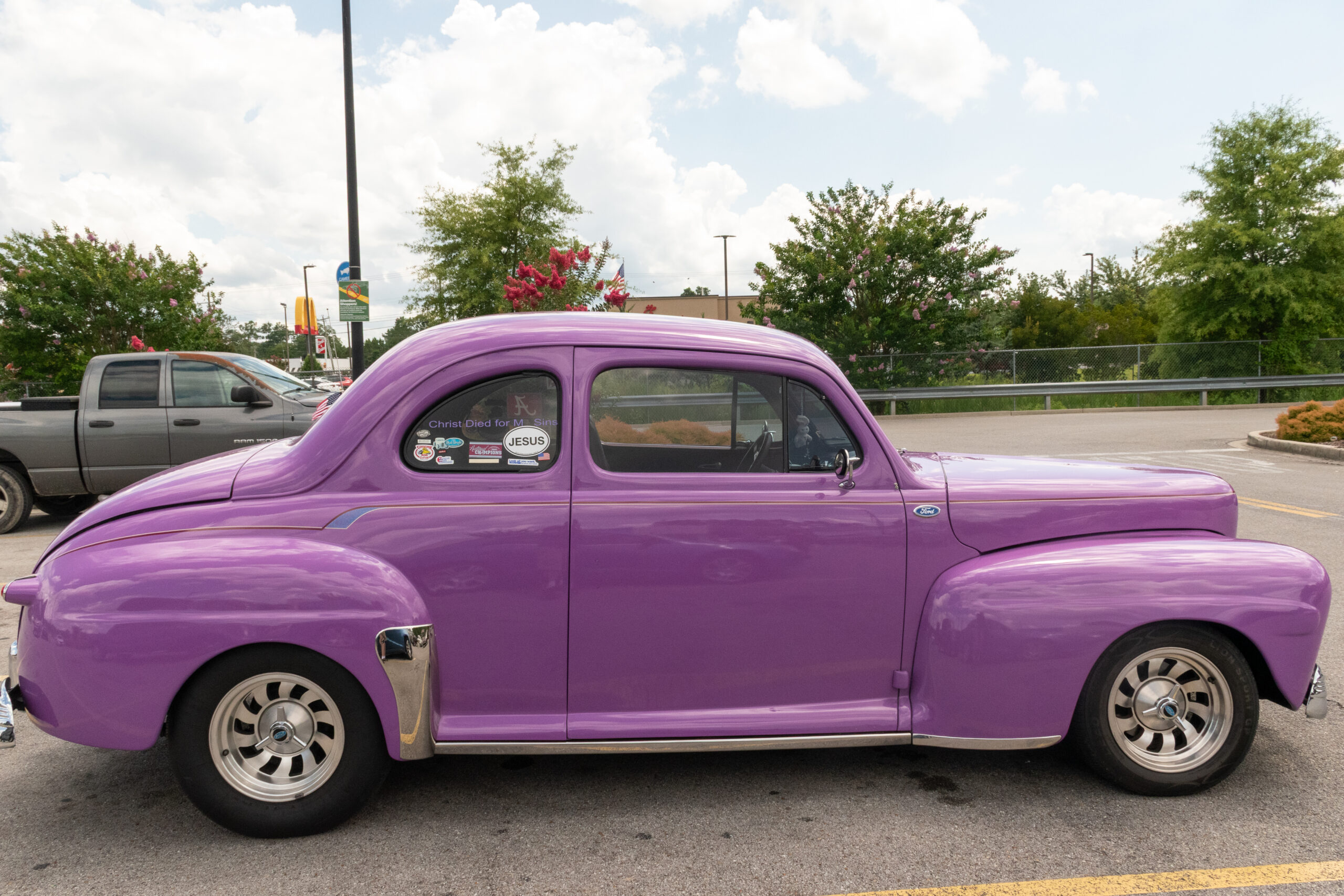
    If you’re a car enthusiast in the South, you know the struggle right now. The builds are sitting in the garage, the battery tenders are plugged in, and we’re all just staring at the calendar waiting for temperatures to break 60 degrees.

    At LowKei Photography, we’ve hit the pause button on outdoor automotive shoots, and here is why: Quality.

    Sure, we could shoot in the cold. But the “LowKei” aesthetic is about clean lines and dramatic lighting. It’s hard to get that perfect “roller” shot when the roads are grey and the trees are bare. Plus, nobody wants to debut their fresh detail job just to get hit with road salt and mud five minutes down the road.

    We are using this downtime to scout new industrial locations in Chattanooga and prep our gear for the busy season.

    The good news? Spring is right around the corner. The golden hour hits differently in April, and we want to be there when you finally pull the cover off.

    Get on the list. We are already fielding inquiries for Spring 2026. If you have a build you want captured, reach out now so we can lock in your date as soon as the sun comes back out.

    Clean ‘em up. We’ll see you on the road soon.

  • Website & Server off of the Ground

    Website & Server off of the Ground

    Now I Have Hit the Ground Running.

    I am off to a great start in building out the web server and setting up the content management system (CMS) to deliver dynamic content to the users.

    So Far No Complaints

    No complaints about files not being available for download – all good in my book.